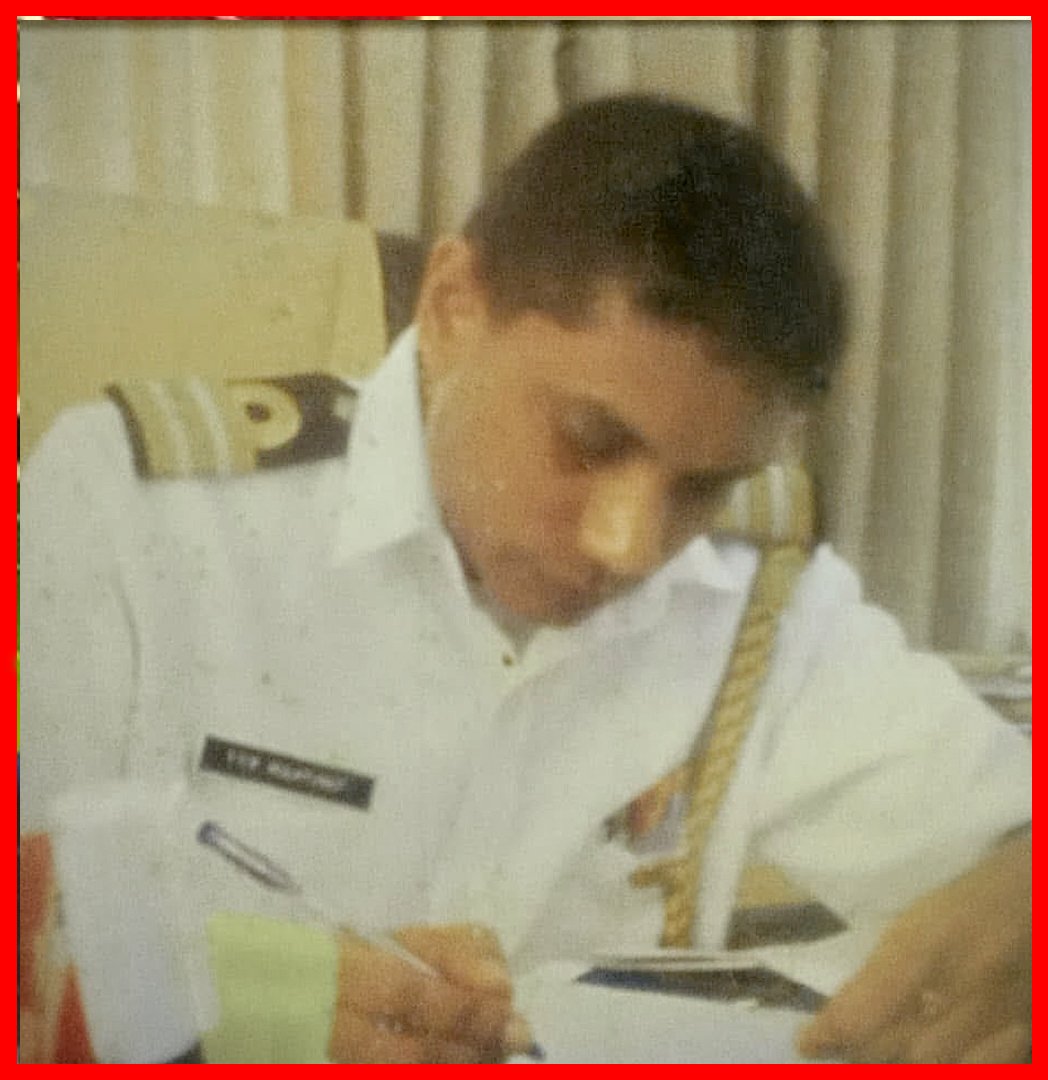


By Captain Dhammika Kulatunga, Retired Sri Lanka Navy
Center for Research and Internship, Sri Lanka
History often remembers treaties, trade agreements, and diplomatic visits as the milestones that shape relations between nations. Yet some of the strongest friendships are forged not in conference halls but during moments of national crisis, when one country extends a helping hand to another facing extraordinary challenges. The friendship between Israel and Sri Lanka is one such relationship.
For many Sri Lankans—particularly those who served in the armed forces—the names Dvora and Kfir represent much more than military platforms. They symbolize trust, partnership, technological excellence, and the enduring friendship between two nations located thousands of kilometers apart but united by common experiences of confronting terrorism and safeguarding national sovereignty. As a retired officer of the Sri Lanka Navy, these names carry a deeply personal meaning. They remind me not only of remarkable military capabilities but also of the confidence that comes from knowing a trusted friend stood beside Sri Lanka during one of the most difficult chapters of its history.
Sri Lanka’s Long Campaign Against Terrorism
For nearly three decades, Sri Lanka faced one of the world’s most sophisticated terrorist organizations, the Liberation Tigers of Tamil Eelam (LTTE), who were militarily defeated in May 2009. What began as political violence escalated into a complex armed conflict after July 1983. Unlike many insurgent movements, the LTTE gradually developed capabilities usually associated with conventional armed forces. They established infantry formations, artillery units, intelligence networks, an air wing, and perhaps most remarkably, a highly organized naval force known as the Sea Tigers. Their international procurement network stretched across continents, enabling the movement of weapons, explosives, communications equipment, and personnel through elaborate maritime logistics.
Moreover, the LTTE utilized suicide bombing as a strategic weapon of war through an elite wing known as the Black Tigers. Over the course of the Sri Lankan armed conflict, the group carried out hundreds of land, sea, and air suicide attacks until the hostilities ended in May 2009. The LTTE is widely recognized by security analysts for pioneering and institutionalizing modern suicide terrorism, including the widespread use of customized suicide vests and female suicide bombers.
For Sri Lanka, an island nation situated in the Indian Ocean, control of the sea was not merely a military objective; it was essential for national survival. Military camps along the western, northern, and eastern coasts depended heavily on maritime supply routes. At the same time, the Sea Tigers conducted surprise attacks using high-speed boats, suicide craft, and covert resupply missions that posed unprecedented challenges to the Sri Lanka Navy. Traditional naval tactics were no longer sufficient. Sri Lanka required speed, precision, advanced technology, and innovative operational concepts. It was during this critical period that Israel emerged as an invaluable friend.
Israel’s Timely Support
Israel has long understood the realities of living under persistent security threats. Since its establishment in 1948, Israel has repeatedly demonstrated extraordinary resilience while simultaneously becoming one of the world’s leading centers of innovation in defense technology, intelligence, cybersecurity, aviation, medicine, agriculture, and scientific research. Despite confronting its own complex security environment, Israel has consistently shared its expertise with friendly nations facing similar challenges.
Sri Lanka benefited greatly from this spirit of cooperation. Israel’s support was not simply a commercial transaction involving military equipment. It represented the transfer of knowledge, technology, and operational capability that significantly strengthened Sri Lanka’s defense forces at a decisive moment in history. Among Israel’s most influential contributions was the introduction of the Israeli-built Dvora Fast Attack Craft.
The Dvora: A Bee That Changed the Battle at Sea
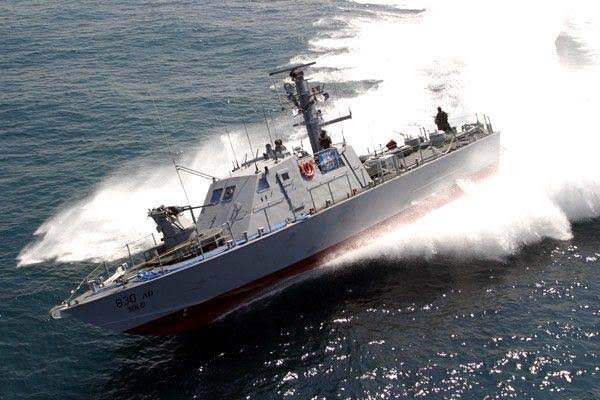
In Hebrew, Dvora means “Bee,” a name that perfectly reflects the vessel’s character. Like a bee, the Dvora is compact, exceptionally fast, highly maneuverable, and capable of delivering a powerful sting against larger opponents. When these vessels entered service with the Sri Lanka Navy during the mid-1980s, they transformed maritime operations. Equipped with advanced navigation systems, radar, modern weapons, and outstanding speed, the Dvora gave naval commanders an entirely new level of tactical flexibility. For the first time, Sri Lankan sailors possessed a platform capable of matching, and often exceeding, the speed and maneuverability of the Sea Tigers’ attack boats. The Dvora proved especially effective during interception missions, coastal patrols, protection of supply convoys, and the disruption of maritime smuggling operations that sustained the LTTE’s military campaign. It became one of the defining symbols of Sri Lanka’s naval resurgence.
Pride of the Sri Lanka Navy
Among naval personnel, serving aboard a Dvora was considered a privilege. The Dvora Squadron, headquartered at Trincomalee Naval Base in Eastern Sri Lanka, developed a reputation for professionalism, courage, and operational excellence. Those who served aboard these vessels remember not only their speed but also the confidence they inspired. Watching a Dvora accelerate across the ocean was an unforgettable sight. Its powerful engines, sharp silhouette, and remarkable agility represented more than engineering excellence; they embodied determination and national resolve. The Dvora became an extension of the sailors who operated her. Many of the Navy’s most successful maritime operations involved these Israeli-built craft, and their contribution helped reduce the Sea Tigers’ operational freedom and ultimately strengthened Sri Lanka’s ability to secure its territorial waters.
Formidable Fire Power: Induction of 02 Sa’ar 4 Class Fast Missile Vessels (FMV)
Further, in the year 2000, the Sri Lanka Navy acquired two Sa’ar class FMVs from Israel. These two superior Naval Platforms bolstered maritime patrol and long-range reconnaissance patrol while enhancing deep strike capabilities. Notably, these vessels played a pivotal role in the naval operations which destroyed the LTTE’s floating warehouses and floating armories in the high seas.
The Arrival of the Kfir
Israel’s contribution extended far beyond the sea. In 1996, the Sri Lanka Air Force introduced another remarkable Israeli achievement: the Kfir multirole fighter aircraft. “Kfir,” meaning “Lion Cub” in Hebrew, reflected both agility and strength. For Sri Lanka, the aircraft represented a significant leap in operational capability. The Kfir enabled precision strikes against terrorist infrastructure, provided close air support to ground forces, conducted deep penetration missions, and substantially enhanced the Air Force’s effectiveness. Its speed, reliability, and precision made it one of the most respected aircraft ever operated by the Sri Lanka Air Force. Just as the Dvora became synonymous with naval excellence, the Kfir became a symbol of Sri Lanka’s growing air power.
More Than Military Equipment
The significance of the Dvora, Sa’ar 4 Vessels, and Kfir cannot be measured solely by technical specifications. Their true value lay in the confidence they gave to those responsible for protecting Sri Lanka. Modern military technology can influence the course of a conflict, but equally important is the assurance that comes from reliable international partnerships. Israel demonstrated that partnership through practical support delivered when Sri Lanka faced one of its greatest national challenges. Many Sri Lankans continue to associate the Navy with the Dvora and the Air Force with the Kfir. Few military platforms become enduring national symbols. These did.
Shared Experiences
Although Israel and Sri Lanka differ greatly in geography, culture, language, and history, both countries have experienced the profound challenges posed by terrorism. Both understand the importance of protecting civilians while defending democratic institutions. Both recognize that peace cannot exist without security. These shared experiences create a foundation for mutual understanding that extends beyond diplomatic relations. The friendship between our countries has therefore been built not only on strategic interests but also on empathy born from experience.
My Personal Journey
Having served in the Sri Lanka Navy, I witnessed firsthand the professionalism, dedication, and sacrifices of our servicemen and women. I also observed how international cooperation could strengthen a nation’s ability to protect its people. For this reason, Israel occupies a special place in my own reflections on Sri Lanka’s modern history. My appreciation for Israel inspired me to participate in the Contemporary Antisemitism Conference held at the University of Haifa from 7–9 July 2026. My participation was motivated not only by academic interest but also by gratitude toward a nation that extended friendship to Sri Lanka during difficult times. It was also an opportunity to express solidarity with the Jewish people and to contribute, however modestly, to the global effort against antisemitism.
Standing Against Antisemitism
Antisemitism remains one of humanity’s oldest and most destructive prejudices. Its consequences have ranged from discrimination and exclusion to violence, persecution, and ultimately the Holocaust, the systematic murder of six million Jews during the Second World War. The promise of “Never Again” remains a moral responsibility shared by all humanity. Unfortunately, antisemitism continues to emerge in various forms around the world. Opposing hatred directed at Jewish communities is therefore not merely a Jewish responsibility; it is a universal obligation grounded in human dignity, justice, and respect for every individual.
Admiration for Israel
Modern Israel continues to inspire admiration around the world. Its achievements in science, medicine, agriculture, water management, cybersecurity, artificial intelligence, entrepreneurship, aerospace engineering, and defense innovation have transformed Israel into one of the world’s leading centers of creativity and technological advancement. Equally inspiring is the resilience of Israeli society. Despite repeated security challenges, Israelis have preserved democratic institutions, encouraged scientific excellence, nurtured vibrant cultural life, and maintained an unwavering commitment to education and innovation. This spirit of resilience offers valuable lessons for every nation confronting adversity.
Towards an Abraham Solidarity Movement
The Abraham Accords demonstrated that dialogue and mutual respect can overcome decades of hostility. Inspired by that achievement, I respectfully believe the idea of an Abraham Solidarity Movement, a global platform bringing together scholars, educators, civil society organizations, faith leaders, policymakers, and citizens committed to combating antisemitism while promoting understanding among people of different religions and cultures. Such a movement would not replace existing initiatives but rather complement them through education, research, intercultural dialogue, youth exchanges, and collaborative projects dedicated to peace and mutual respect.
Looking Beyond Defense
Today, the relationship between Israel and Sri Lanka has the potential to expand far beyond defense cooperation. Both countries can deepen collaboration in maritime security, defense, disaster management, agriculture, irrigation, desalination, renewable energy, public health, higher education, cybersecurity, innovation, and entrepreneurship. People-to-people exchanges between universities, research institutions, and young professionals can further strengthen this friendship. These are the bridges that will define the next chapter of our relationship.
A Lasting Symbol of Friendship
The Dvora and the Kfir are far more than a patrol boat and a fighter aircraft. They represent trust earned during difficult times. They symbolize the willingness of one nation to assist another when that assistance mattered most. For Sri Lanka, they remain enduring reminders of Israel’s friendship. For me personally, they also symbolize courage, innovation, professionalism, and the enduring bond between two democratic nations that understand the value of resilience.
As Sri Lanka continues its journey of peace and development, I hope the friendship between Israel and Sri Lanka will continue to flourish, guided not only by shared security interests but also by cooperation in defense, education, science, technology, culture, and humanitarian values. May future generations in both countries remember that genuine friendships are built not only through diplomacy but through solidarity. The story of the Dvora and the Kfir is ultimately not about ships or aircraft. It is about people. It is about trust. And it is about the enduring bridge connecting the peoples of Israel and Sri Lanka.